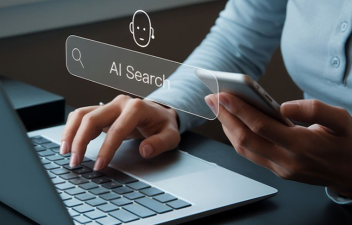
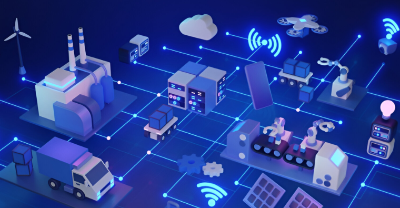
Artificial Intelligence (AI) is a shining jewel in the technology field in recent years, its impact spreading like ripples to every corner of our lives. From intelligent assistants to medical diagnosis, from transportation systems to business operations, AI is reshaping our daily lives in unique ways.
As a pioneering force in the intelligent era, AI assistants are integrating into our daily lives and business landscape with unprecedented depth and breadth. From powerful aids to academic research to business assistants leading an efficiency revolution for SMEs, AI assistants have not only greatly improved the efficiency of individual learning and work but also demonstrated enormous potential in reshaping business operating models and driving industrial upgrading.
Defining Artificial Intelligence
At its core, artificial intelligence refers to the development of machines capable of performing tasks that typically require human-like intelligence, such as learning, problem-solving, and decision-making. These machines are programmed to process data, recognize patterns, and make predictions based on that data, enabling them to autonomously perform complex tasks.
Artificial intelligence is a broad field encompassing a wide range of technologies and applications. Some key areas of artificial intelligence include machine learning, natural language processing, and computer vision.
Machine learning algorithms are used to train machines to recognize patterns in data and make predictions based on that data. These algorithms are used in a wide range of applications, from recommendation engines to fraud detection systems.
Natural Language Processing (NLP) is another key area of artificial intelligence. NLP enables machines to understand and interact with human language. This technology is used in virtual assistants such as Apple Siri and Amazon Alexa, as well as chatbots and other conversational interfaces.
Computer vision is another important area of artificial intelligence. This technology enables machines to "see" and interpret visual information. Computer vision is used in many applications, from self-driving cars to facial recognition systems.
Why do people need to develop artificial intelligence?
The development of artificial intelligence is to meet people's needs for more efficient, convenient, and intelligent solutions. Here are some of the main reasons:
Liberating the workforce:
Artificial intelligence can automate repetitive and tedious tasks, freeing up people's time and energy to focus on more creative and meaningful work.
Improving efficiency and accuracy:
Artificial intelligence technology can analyze large amounts of data, patterns, and trends to make accurate decisions. This is of great significance in fields such as medical diagnosis, financial risk assessment, and traffic management.
Fostering innovation and development:
Artificial intelligence inspires the possibility of innovation, driving progress in science and technology. It brings new business models, products, and services to all industries.
Solving Complex Problems:
Artificial intelligence (AI) can process and analyze massive amounts of data, identifying hidden patterns and correlations to help us understand and solve complex problems.

How AI Will Impact Our Lives
The rapid development of AI will profoundly impact our lifestyles and social structures. Here are some key aspects:
Automated and Intelligent Home Living
With the continuous development of smart home technology, AI will endow our homes with more intelligent and automated functions. From voice-controlled devices to smart appliances and security systems, AI technology will make our homes smarter, more convenient, and more comfortable.
Providing Personalized Healthcare and Medical Services
The application of AI in the medical field will greatly improve our healthcare and medical services. By analyzing large amounts of medical data and medical records, AI can provide personalized diagnoses, treatment plans, and health management recommendations. Furthermore, smart medical devices and remote monitoring technologies will help us better manage our health.
Intelligent Transportation and Autonomous Driving Technology
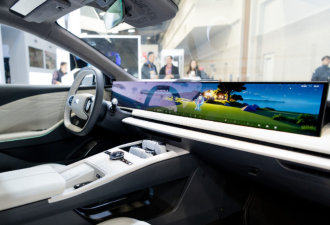
The application of AI in the transportation sector will change the way we travel. Autonomous driving technology will make driving safer, more efficient, and reduce traffic accidents. Meanwhile, intelligent transportation systems can predict and optimize traffic flow, providing more convenient transportation services.
Personalized Recommendations and Customized Experiences
Artificial intelligence (AI) technology can provide personalized recommendations and customized experiences based on our interests, preferences, and behavioral data. Whether in shopping, entertainment, or social media platforms, AI algorithms can analyze our needs and preferences to provide more accurate and personalized recommendations and services.
Chatbots and Virtual Assistants Changing Communication Methods
The development of AI has also led to the emergence of chatbots and virtual assistants, which can interact with people using natural language and provide assistance and services. Through speech recognition and natural language processing technologies, AI makes it easier for us to communicate with computers, solve problems, and obtain information.
Conclusion
The rise of AI has already brought about tremendous changes, but its potential is far from being fully realized. With the continuous development of technology, we have reason to believe that AI will continue to create new opportunities and challenges in various fields. While we need to carefully consider ethical issues and formulate corresponding policies and regulations, we should not ignore the positive changes brought about by AI, which is propelling us towards a more intelligent, efficient, and innovative future.